Tibet Tour

  • Duration 9
  • Destination Nepal
  • Trip Grade Easy
  • Starts at Kathmandu
  • Ends at kathmandu
  • Meals Breakfast,
  • Accommodation 3 star Hotel
  • Max. Altitude 3,650 Meters
  • Activity Tour
  • Group Type private or Group
  • Group Size 01 to 12
  • Best Season All Time
Highlights
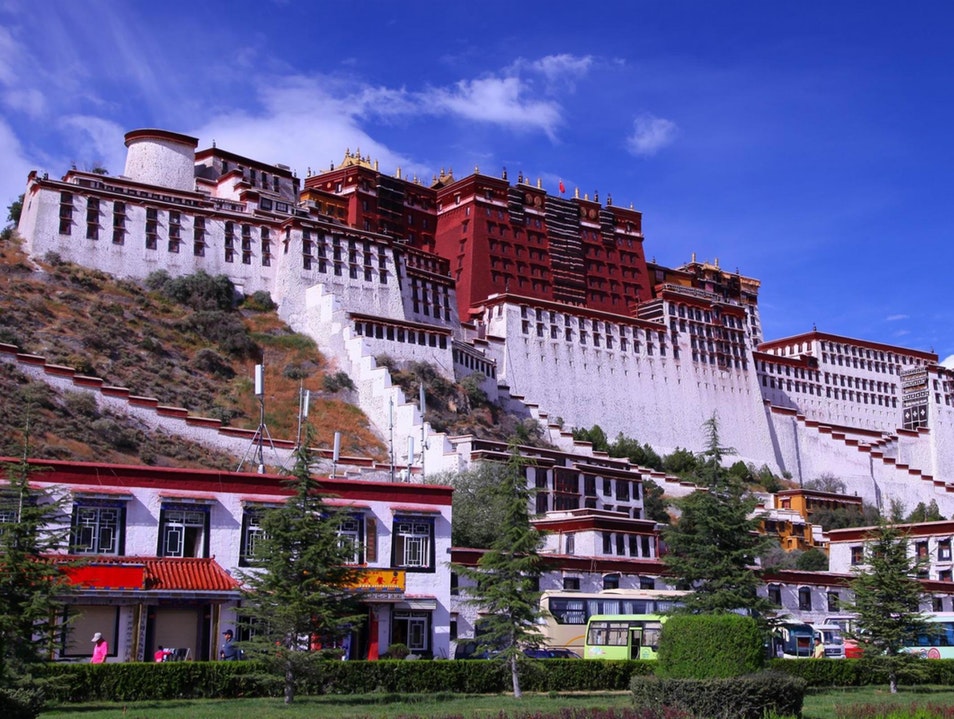
  • Explore Lhasa’s iconic landmarks: Potala Palace, Sera Monastery, Norbulinka, and Barkhor Square
  • Visit Tashilhunpo Monastery in Shigatse, Kumbum Stupa, and Phalkor Monastery in Gyantse
  • Scenic drive across high mountain passes with sweeping Himalayan views
  • Stop at the Everest viewpoint for a stunning look at Mt. Everest (8,848m)
  • Admire the turquoise waters of Yamdrok Lake
  • Experience Tibetan culture and traditions in historic towns and villages

Tibet Tour Overview

The 9-Day Tibet Tour is one of the most fascinating journeys in the Himalayas, offering a perfect balance of culture, spirituality, and breathtaking landscapes. Tibet is home to some of the world’s most sacred Buddhist sites and highest peaks, making it a dream destination for travelers. Exploring Lhasa, the spiritual and political capital of Tibet, is a once-in-a-lifetime experience, with visits to landmarks like the Potala Palace, Sera Monastery, Norbulinka, and Barkhor Square. The journey across central Tibet takes you through scenic valleys, ancient monasteries, and dramatic high passes, with the unmatched chance to view the north face of Mt. Everest.
The Tibet Tour also includes visits to Tashilhunpo Monastery in Shigatse, the Kumbum Stupa, and Phalkor Monastery in Gyantse, along with a scenic drive past the turquoise Yamdrok Lake. At the Everest viewpoint, travelers are rewarded with panoramic views of the Himalayan giants, including Mt. Everest (8,848m). This 9-day adventure begins and ends in Lhasa, with two full days dedicated to exploring the city before heading out to the historic towns and monasteries of Tibet. The journey combines cultural heritage with natural beauty, making it one of the most memorable experiences in the region.

Route to Tibet Tour

The journey begins in Lhasa, the spiritual capital of Tibet. Over two days, you’ll explore its most iconic sites, including the Potala Palace, Sera Monastery, Norbulinka, and Barkhor Square. From Lhasa, the tour continues to Shigatse via Yamdrok Tso Lake, with a visit to Tashilhunpo Monastery.
Next, you’ll travel to Gyantse to see the Kumbum Stupa and Pelkor Chode Monastery, before heading toward the Everest North Base Camp viewpoint for incredible Himalayan views. The trip concludes with your return to Lhasa, completing a memorable 9-day exploration of Tibet’s cultural and natural treasures.

Why Choose Us for Your Tibet Tour

Our Tibet tours offer the perfect balance of cultural discovery, breathtaking landscapes, and authentic local experiences. From the sacred monasteries of Lhasa to the wide-open Himalayan plateau, we create journeys that connect you to the heart of Tibet. With many tour options available, we focus on making your trip safe, meaningful, and unforgettable.

  • We are a trusted, government-registered local company with over 10 years of experience in treks and tours across Nepal, Bhutan, and Tibet.
  • Our licensed Tibetan guides share their deep knowledge of local culture, traditions, and history, enriching your travel experience.
  • Safety and comfort are our priority, with professional support and well-organized itineraries that allow for proper acclimatization.
  • We provide a detailed online pre-trip briefing after booking, including itinerary guidance, packing suggestions, and preparation tips.
  • Hassle-free booking with secure payments and clear pricing, with no hidden costs.
  • Private airport pick-up and drop-off services in both Nepal and Tibet ensure smooth travel from start to finish.
  • Our 24/7 support team is always available to assist you before, during, and after your journey.
  • Comfortable hotel stays in Kathmandu, Lhasa, and other key locations are included, giving you time to rest between sightseeing and travel days.
  • We promote responsible tourism by working with local staff and communities, supporting Tibetan culture and livelihoods
  • Our itineraries are thoughtfully designed to combine cultural highlights with scenic travel days, so you enjoy Tibet at a relaxed pace.

Alternative Tibet Tour

For travelers interested in other Tibetan adventures, we offer journeys such as Explore the Soul of Tibet, a cultural tour through Tibet’s spiritual heart; the Tibet Shisapangma Trek, for stunning Himalayan trekking experiences; the Mt. Kailash Hilsa Tour, a pilgrimage route to the sacred Mt. Kailash; and the Kailash Mansarovar Yatra, a deeply spiritual journey to Mount Kailash and Lake Mansarovar.

Day to Day Itinerary
Expand all

Travel from Kathmandu to Gyirong Port, the main border crossing into Tibet. The journey takes approximately 8 to 10 hours by road. Along the way, enjoy scenic views of the Himalayan foothills, rivers, and traditional Nepalese villages. Overnight stay in a hotel or similar in Jilong Town.

  • Hotel
  • Brekfast

Travel from Jilong Town to Gangga, passing through scenic highland valleys, small Tibetan villages, and local farmland. Along the way, enjoy cultural encounters and photo opportunities before visiting the Ancient Castle Viewing Platform for panoramic mountain views. Continue to Rongbuk Monastery, a serene Tibetan Buddhist site, and conclude at Everest Base Camp (Tibet side) to experience the breathtaking summit up close. Overnight stay in Everest Base Camp tents.

  • Tea House or Lodge
  • Breakfast, Lunch, Dinner

Travel from Gangga (Gangka) to Shigatse, a journey of approximately 6 to 7 hours by road. Along the way, you will pass through Tibetan highland valleys, traditional villages, and farmland, with opportunities to see mountain landscapes and local culture. Key stops include scenic viewpoints and monasteries, offering a glimpse into everyday life in Tibet before arriving in Shigatse, Tibet’s second-largest city and home to the Tashilhunpo Monastery.

  • Tea House or Lodge
  • Breakfast, Lunch, Dinner

Travel from Shigatse to Lhasa, a drive of approximately 5 to 6 hours along the highland plateau roads. Along the way, enjoy views of rolling mountains, wide valleys, and traditional Tibetan villages. The route passes notable landmarks such as Yamdrok Tso Lake, offering stunning turquoise waters against the snow-capped peaks, before arriving in Lhasa, the spiritual and cultural heart of Tibet.

  • Tea House or Lodge
  • Breakfast, Lunch, Dinner

Spend a full day exploring Lhasa, starting with the iconic Potala Palace, followed by the spiritual Jokhang Temple. Stroll through Bakuo Street to experience local markets and Tibetan culture, and enjoy a hands-on Handmade Tibetan Incense Experience, learning traditional techniques from local artisans.

  • Tea House or Lodge
  • Breakfast, Lunch, Dinner

Continue exploring Lhasa with visits to the historic Ganden Monastery and Drepung Monastery, two of Tibet’s most important Buddhist sites. End the day at Sera Temple, where you can witness lively monk debates and experience the rich spiritual life of the city.

  • Tea House or Lodge
  • Breakfast, Lunch, Dinner

Travel from Lhasa to Shigatse, passing through scenic and culturally significant sites along the way. Stop at Gyantse Kumbum Stupa and Pelkor Chode Monastery to explore historic Tibetan architecture and spiritual landmarks. Continue over Gangbala Pass with panoramic mountain views, then admire the turquoise waters of Yamdrok Tso and the surrounding peaks including Noyin Kansang and Nakartse, before arriving in Shigatse, home to the famous Tashilhunpo Monastery.

  • Tea House or Lodge
  • Breakfast, Lunch, Dinner

Travel from Shigatse to Xegar County, visiting the historic Sakya Temple along the way. The journey offers scenic views of Tibetan highlands, valleys, and traditional villages, providing both cultural insights and natural beauty before reaching Xegar County.

  • Tea House or Lodge
  • Breakfast, Lunch, Dinner

Travel from Sakya County (Xegar County) back to Kathmandu, crossing the Gyirong (Jilong) Port at the Nepal-Tibet border. The journey passes through Tibetan highlands, rivers, and traditional villages, offering scenic landscapes along the way before returning to Kathmandu.

  • Hotel
  • Breakfast

Our team guides, porters and accompanying staff are locals with a broad knowledge about each and every location that we travel through.

Cost Includes

  • Pick up and drop off from and to International airport.
  • 9 Night Hotel or Guest House in tibet
  • Sightseeing tour car/Jeep/van/hice, During Tibet Tour
  • Tibet entry permits, Chinese visa, and monastery entry fees.
  • Local government licensed English speaking Guide in during the Tibet tour.
  • The tour will be supported by the required number of experienced staff to ensure a smooth and comfortable journey.
  • All staff are provided with food, accommodation, salary, insurance, necessary equipment, and medical support throughout the tour.
  • Flight costs to and from Kathmandu, as required by the trip.
  • All our government taxes.

Cost Excludes

  • Sightseeing entry fees in Kathmandu
  • Lunch and dinner during your trip.
  • Your travel insurance.
  • Personal expenses such as alcoholic beverages, soft drinks, and laundry.
  • Personal trekking equipment.
  • Any other expenses not mentioned in the ‘Cost Includes’ section.
Departure Dates

Useful Info

Required Permits and Visa

Travel to Tibet requires special permits in addition to a Chinese visa. All foreign travelers must obtain the following:

  • Tibet Travel Permit (TTP) – This is the main permit required to enter Tibet. It is issued by the Tibet Tourism Bureau and is valid for the duration of your tour. All travelers must carry this permit at all times
  • Chinese Visa – A valid Chinese visa is required before entering Tibet. This can be obtained from a Chinese embassy or consulate in your home country or in Nepal. The visa is typically valid for travel to other Chinese cities as well.
  • Alien’s Travel Permit – Required for travel outside Lhasa, such as to Shigatse, Gyantse, or Everest North Base Camp. This permit is arranged by your tour operator.
  • Military Permit – Certain restricted areas, such as Mount Kailash or border regions, may require additional military permits. These are also arranged in advance by the tour operator.

Travelers should note that Tibet permits are issued for groups, so all participants of the tour must enter and exit Tibet together. Permits are non-transferable, and it is essential to carry valid identification and travel documents at all times. Your tour operator, in this case Aarohi Holiday, will handle all permits and formalities to ensure a smooth journey.

Best Time to Visit Tibet

The ideal time to visit Tibet is from April to October, when the weather is generally mild, and the skies are clear for sightseeing and photography. Spring (April to June) brings blooming rhododendrons and pleasant temperatures, perfect for exploring monasteries and lakes. Autumn (September to October) offers crisp, clear skies and stunning views of the Himalayas, making it an excellent season for trekking and visiting Everest North Base Camp.

Summer (July to August) is warmer but may bring occasional rain and clouds, which can affect visibility in the mountains. Winter (November to March) is cold, especially in high-altitude areas, but the skies are often very clear, and there are fewer tourists. Choosing the right season depends on whether you prefer blooming landscapes, clear mountain views, or a quieter travel experience.

Altitude Sickness and Prevention

Tibet’s high-altitude destinations, including Lhasa (3,650m) and Everest North Base Camp (5,200m), can cause altitude sickness, with symptoms such as headache, nausea, dizziness, fatigue, and shortness of breath. To prevent it, travelers should acclimatize gradually, stay well hydrated, eat light meals, and avoid alcohol and excessive exertion during the first days. Consulting a doctor about medication like acetazolamide (Diamox) can also help. Listening to your body and informing your guide if symptoms worsen ensures a safe and enjoyable journey through Tibet’s spectacular landscapes.

Travel Insurance

Travel insurance is highly recommended for your Tibet journey, as it provides coverage for medical emergencies, trip cancellations, lost luggage, and high-altitude trekking risks. Make sure your policy includes emergency medical evacuation, as some destinations in Tibet are remote and access to hospitals may be limited. Having reliable travel insurance ensures peace of mind and a safe, worry-free adventure throughout your trip.

Important Notes

  • Travelers must carry a valid passport and Chinese visa, along with the Tibet Travel Permit issued for the tour.
  • All permits are arranged by the tour operator and are non-transferable; the group must enter and exit Tibet together.
  • High-altitude destinations may cause altitude sickness; follow your guide’s instructions and take necessary precautions.
  • Accommodations in Tibet are modest, with basic facilities, but comfortable enough for a safe stay.
  • Weather in Tibet can change rapidly; bring suitable clothing for cold, wind, and sun protection.
  • Flight schedules, road conditions, and permits may affect the itinerary; flexibility is advised.
  • Respect local customs and Buddhist traditions, especially when visiting monasteries and sacred sites.

Equipment List

Packing List of Tibet Tour

Clothing
The climate in the Tibet region is unpredictable, so it’s essential to pack adaptable and durable clothing layers.

Base Layers
• 2-3 thermal tops (moisture-wicking)
• 2 thermal leggings for layering

Insulating Layers
• Fleece jacket or pullover
• Down jacket (essential for cold nights; 600-800 fill power recommended)

Outer Layers
• Waterproof and windproof jacket (Gore-Tex or similar)
• Waterproof trekking pants

Trekking Clothes
• 3-4 moisture-wicking t-shirts (long and short sleeves)
• 2-3 pairs of trekking pants (lightweight and comfortable)
• Lightweight gloves (for mild conditions)
• Insulated gloves (for cold weather)
• Warm hat/beanie (covers ears)
• Sun hat or cap (for UV protection)
• Neck gaiter or buff (protection from wind and dust)

Footwear
Since your feet will handle most of the effort, it’s wise to invest in high-quality footwear.
• Waterproof trekking boots (well broken-in)
• 3-4 pairs of trekking socks (moisture-wicking)
• Camp shoes or sandals (for use at teahouses)
• Gaiters (optional but useful in snow or muddy conditions)

Gear and Equipment
The right equipment will enhance both the safety and comfort of your trek
• Backpack (30-40 liters if you have a porter; 60-70 liters if self-carrying)
• Rain cover for backpack
• Sleeping bag (rated to at least -10°C; can be rented in Kathmandu)
• Sleeping bag liner (for added warmth and hygiene)
• Trekking poles (collapsible and lightweight)
• Headlamp (with extra batteries)
• Water bottles (2 liters total capacity)
• Water purification tablets or filtration system
• Sunglasses (UV protection)
• Microspikes (if trekking in winter/snowy conditions)

Toiletries and Personal Items
Maintaining personal hygiene is essential, particularly in remote regions
• Quick-drying towel
• Toothbrush, toothpaste, floss
• Biodegradable soap and shampoo
• Sunscreen (SPF 50+)
• Lip balm with SPF
• Wet wipes and hand sanitizer
• Toilet paper (carry your own)
• First aid kit (include altitude sickness medication like Diamox)
• Feminine hygiene products (if applicable)

Reminder: Guides carry medications and first aid kits during the trip, but bringing a personal kit and any necessary medications is highly recommended for your convenience and specific needs.

Snacks and Extras
• Energy bars, chocolates, and nuts
• Electrolyte powder
• Pocket knife or multi-tool
• Camera or smartphone with extra batteries
• Power bank (solar-powered options are great)
• Notebook and pen (optional, for journaling)

Pro Tips for Packing
• Pack light, as your porter can carry a maximum of 10-15 kg.
• Organize and protect your belongings using waterproof packing cubes or ziplock bags.
• Review the weather forecast before your trek and adjust your packing accordingly.

FAQs

Expand all
  • The tour lasts 9 days, covering Lhasa, Shigatse, Gyantse, and the Everest North Base Camp viewpoint

  • Yes. Travelers require a Chinese visa and a Tibet Travel Permit, both of which are arranged before or during the tour.

  • Yes, Tibet’s high elevations can cause altitude sickness. Gradual acclimatization, hydration, light meals, and rest are important to prevent it

  • Accommodations are modest but comfortable, including twin-sharing and group rooms in Tibetan towns.

  • The ideal months are April to October, with spring and autumn offering the clearest skies and most pleasant temperatures.

  • Key highlights include the Potala Palace, Sera Monastery, Norbulinka, Barkhor Square, Tashilhunpo Monastery, Kumbum Stupa, Pelkor Chode Monastery, Yamdrok Lake, and the Everest North Base Camp viewpoint.

  • Meals vary depending on your accommodation. Most hotels and teahouses provide local Tibetan and Chinese cuisine.

  • Yes, private extensions or customized tours can be arranged to include destinations like Namtso Lake, Everest Base Camp, or Kailash Mansarovar.

  • Travel insurance is highly recommended to cover medical emergencies, evacuation, trip cancellations, and high-altitude risks.

  • Yes, Tibet Travel Permits are issued for groups, so all participants must enter and exit Tibet together.