Diversity Of Everest: Nature, Wildlife & Sherpa Culture in the Everest Region
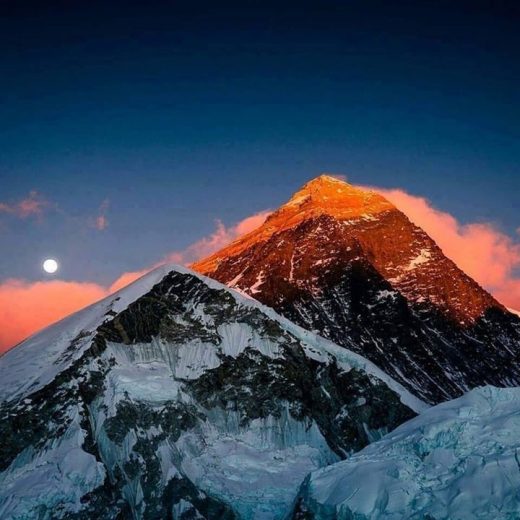
The Everest Region is famous for the world’s highest mountain, but its true beauty lies in its incredible diversity. From lush forests and rare wildlife to ancient Buddhist traditions and welcoming Sherpa communities, the Khumbu offers much more than spectacular peaks. Every trail reveals a different landscape, and every village shares a unique cultural story.
This remarkable combination of nature and heritage makes the Diversity of Everest one of the greatest treasures of Nepal.

What makes the Diversity of Everest unique?
The Everest Region is protected by Sagarmatha National Park, a UNESCO World Heritage Site covering more than 1,100 square kilometers. Within this relatively small area, visitors experience dramatic changes in climate, vegetation, wildlife, and culture.
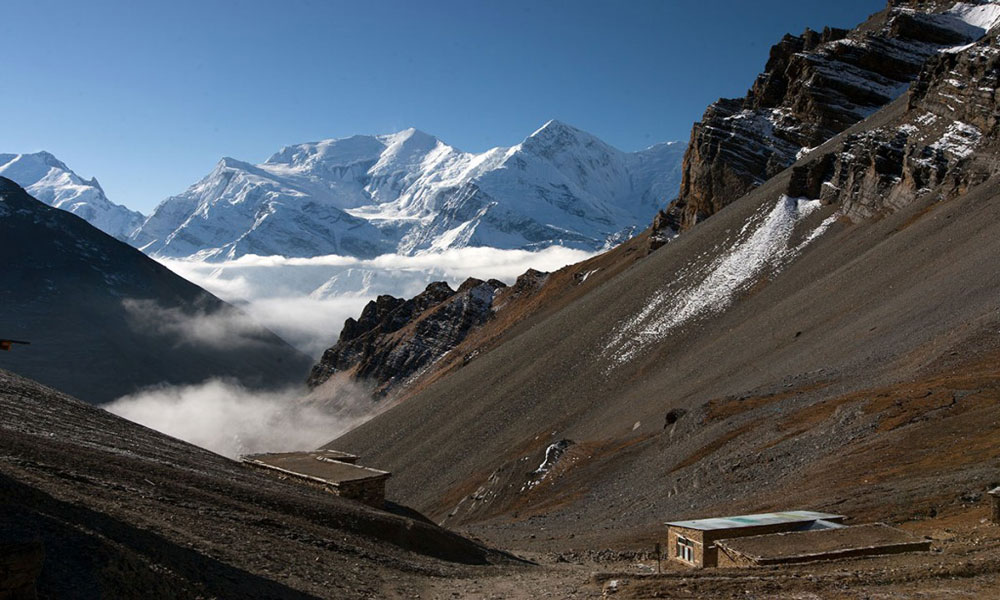
As you climb from Lukla to Everest Base Camp, the landscape transforms from green pine forests into alpine meadows, rocky glaciers, and snow-covered Himalayan terrain. At the same time, you’ll encounter vibrant Sherpa villages, centuries-old monasteries, and traditions that have been preserved for generations.
This extraordinary mix of ecosystems and human heritage defines the biodiversity of the Everest Region.
Sagarmatha National Park: A UNESCO Natural Wonder
Established in 1976, Sagarmatha National Park protects some of the most spectacular mountain scenery on Earth. The park is home to Everest, Lhotse, Nuptse, Ama Dablam, and countless other Himalayan peaks.

- Towering Himalayan mountains
- Deep river valleys
- Ancient glaciers
- Alpine forests
- Rare wildlife species
- Traditional Sherpa settlements
These Sagarmatha National Park biodiversity features make it one of Asia’s most important protected mountain environments.
Wildlife in the Everest Region
Many visitors are surprised to discover that the Everest Region is rich in wildlife. Although the high Himalayas appear harsh, numerous animals have adapted perfectly to this environment.
Himalayan wildlife you may encounter


The elusive snow leopard also lives within the national park, although sightings are extremely rare.
For nature lovers, observing this unique wildlife in Sagarmatha National Park is an unforgettable part of the trekking experience.
Sherpa Culture: The Heart of Everest
The mountains may attract visitors, but the Sherpa people give the Everest Region its soul. Known for their warmth, resilience, and mountaineering heritage, Sherpa communities have lived in the Khumbu for centuries.

Experience authentic Sherpa culture
Visitors can discover Sherpa culture Everest through:
- Traditional stone-built villages
- Local teahouses and family lodges
- Buddhist festivals
- Handmade crafts
- Yak farming and mountain agriculture
- Sherpa hospitality and cuisine
These cultural experiences make trekking far more meaningful than simply reaching a destination.
Beautiful Himalayan Villages of Everest
The Khumbu is dotted with picturesque settlements surrounded by towering peaks. Each village has its own identity and history.


These charming settlements represent the finest Himalayan villages Everest has to offer.
Ancient Monasteries and Spiritual Heritage
Buddhism is deeply woven into everyday life throughout the Everest Region. Prayer flags flutter across mountain passes, mani stones line the trails, and peaceful monasteries provide places for reflection.

Famous Everest monasteries
- Tengboche Monastery – The spiritual center of the Khumbu
- Khumjung Monastery – Home to important Buddhist relics
- Pangboche Monastery – One of the oldest monasteries in the region
These sacred sites preserve centuries of Himalayan Buddhist tradition and remain important cultural attractions in Sagarmatha National Park.
Flora of the Everest Region
The diversity of Everest isn’t limited to mountains. Different elevations create distinct vegetation zones.
Elevation Typical Vegetation
- 2,500–3,000 m Pine and hemlock forests
- 3,000–4,000 m Rhododendron and birch woodland
- 4,000–5,000 m Alpine shrubs and meadows
- Above 5,000 m Mosses, lichens, and glacial terrain
During spring, colorful rhododendron forests transform the lower valleys into vibrant landscapes, making the trek especially beautiful.
Glaciers, Rivers & Mountain Landscapes
The Everest Region contains some of the most dramatic geological features in the Himalayas.


- Khumbu Glacier – Nepal’s most famous glacier
- Ngozumpa Glacier – The longest glacier in the Himalayas
- Dudh Koshi River – A powerful glacier-fed river
- Towering icefalls and dramatic moraines
These natural wonders contribute to the incredible Everest ecological diversity found throughout the Khumbu Valley.
Why photographers love the Everest Region
The changing landscapes make Everest one of the finest photography destinations in Asia. Every hour brings different light, colors, and weather conditions.


These are among the best photography spots in Everest Region for both professional and amateur photographers.
Responsible travel in the Everest Region
Protecting the diversity of Everest is everyone’s responsibility. Sustainable trekking helps preserve both nature and local culture for future generations.
Simple ways to travel responsibly include:
- Carry a reusable water bottle.
- Avoid single-use plastics.
- Respect monasteries and local customs.
- Stay in locally owned lodges.
- Hire licensed local guides and porters.
- Leave no trace on the trail.
Supporting local communities also strengthens the future of Khumbu Valley culture and conservation.
Final Thoughts
The Diversity of Everest is what truly makes this region extraordinary. Beyond the famous summit lies a world of ancient monasteries, welcoming Sherpa communities, rare Himalayan wildlife, turquoise glacial lakes, and breathtaking mountain landscapes.
Whether you’re trekking to Everest Base Camp or exploring quieter valleys, you’ll discover that the Everest Region is not only the home of the world’s highest mountain but also one of the richest natural and cultural destinations on Earth.
 Have Questions?