Trek to Everest Base Camp
Few adventures compare to the experience of standing beneath the world’s highest mountain. The Trek to Everest Base Camp is more than a hiking holiday—it’s a journey through breathtaking Himalayan landscapes, welcoming Sherpa villages, ancient Buddhist monasteries, and one of the most famous trekking routes on Earth.
Every year, thousands of travelers visit Nepal to complete the Everest Base Camp Trek, but the trail remains as inspiring as ever. Whether you’re an experienced hiker or taking on your first high-altitude adventure, this guide will help you understand everything you need to know before setting out.

 Why choose the Everest Base Camp Trek?
The Everest Base Camp Trek offers a unique combination of adventure, culture, and spectacular mountain scenery. Unlike climbing Mount Everest, this trek allows ordinary travelers to experience the Khumbu region without technical mountaineering skills.
Some of the unforgettable highlights include:
- Walking through Sagarmatha National Park
- Crossing thrilling suspension bridges over deep valleys
- Visiting traditional Sherpa villages
- Exploring famous monasteries
- Reaching Everest Base Camp at 5,364 meters
- Watching sunrise from Kala Patthar, the best viewpoint of Mount Everest
This is one of Nepal’s greatest Everest trekking adventures and a dream destination for hikers worldwide.
Where is Everest Base Camp?
Everest Base Camp lies in the Khumbu region of northeastern Nepal inside Sagarmatha National Park, a UNESCO World Heritage Site. Most trekkers begin with a scenic mountain flight from Kathmandu to Lukla before starting the journey on foot.
The trail follows the Dudh Koshi River through beautiful forests, alpine valleys, and high Himalayan settlements until reaching the foot of Mount Everest.


Everest Base Camp itinerary (15 Days)
A well-paced itinerary helps reduce the risk of altitude sickness while allowing time to enjoy the scenery.
Day 1:Arrival in Kathmandu (1,345m) at the Tribhuwan International Airport (TIA)
Day 2:Sightseeing around Kathmandu valley (1,345m)
Day 3:Fly to Lukla and trek to Phakding (2652m/8699ft)
Day 4:Phakding to Namche Bazaar (3,441m)
Day 5:Acclimatization to Namche bazar:
Day 6: Namche Bazaar to Tengboche Monastery (3,860m)
Day 7: Tengboche to Dingboche (4,400m)
Day 8: Acclimatization to Dingboche
Day 9:Dingboche to Lobuche (4,900m)
Day 10: Lobuche to Gorakshep and hike to Everest Base Camp (5,363m
Day 11:Gorakshep to Pheriche (4,200m) Via Kala Patthar (5,545m)
Day 12: Pheriche (4,200m) to Namche Bazaar (3,540m)
Day 13:Namche Bazaar (3,540m) to Lukla (2,840m)
Day 14: Fly back Lukla to Kathmandu (1,345m)
Day 15: Final Departure
This itinerary is ideal for most travelers and includes two important acclimatization days.
The journey through Sherpa villages
One of the greatest rewards of the Trek to Everest Base Camp is experiencing authentic Sherpa culture. Each village has its own character and history.

Namche Bazaar
Namche Bazaar is the vibrant gateway to the Everest Region and an important stop on the Everest Base Camp Trek. Surrounded by spectacular Himalayan peaks, this traditional Sherpa town is known for its colorful streets, local markets, cafés, and warm hospitality. It is also a popular place for acclimatization, giving trekkers time to rest and enjoy the beautiful mountain scenery before heading higher into the Khumbu Valley.
Tengboche
Tengboche is a beautiful mountain village in the Everest Region, best known for the historic Tengboche Monastery and stunning views of Ama Dablam, Everest, and the surrounding Himalayas. Surrounded by peaceful forests and dramatic peaks, it is an important spiritual and cultural stop on the Everest Base Camp Trek.
Dingboche
Dingboche is a beautiful Himalayan village in the Everest Region, surrounded by spectacular peaks and wide alpine landscapes. It is an important acclimatization stop on the Everest Base Camp Trek, where trekkers can rest, explore nearby trails, and enjoy impressive views of the Khumbu mountains.
Kala Patthar: The best Everest viewpoint
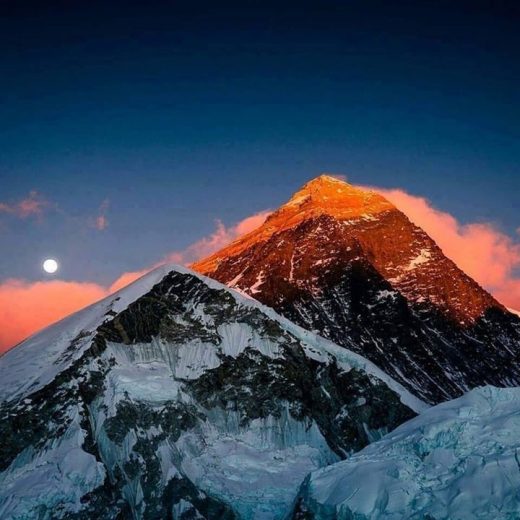
Although Everest Base Camp is the destination, many trekkers say the true highlight is Kala Patthar. At 5,545 meters, it provides the clearest panoramic view of Mount Everest because the summit is fully visible.
Sunrise transforms the surrounding peaks into shades of gold and orange, making it one of the most photographed locations in the Himalayas.
 Best time for the Everest Base Camp Trek
Choosing the right season makes a huge difference.
Season Conditions
March – May Warm days, blooming rhododendrons, excellent visibility
September – November Stable weather, crystal-clear mountain views
December – February Cold but quieter trails and snowy scenery
June – August Monsoon season with rain and limited visibility
For most travelers, spring and autumn provide the best trekking experience.
How difficult is the trek?
The Everest Base Camp hiking route is considered moderately challenging. It does not require climbing experience, but it does require good physical fitness and determination.
Expect to walk:
- 5–8 hours per day
- Approximately 130 km round trip
- Maximum altitude of 5,545 meters at Kala Patthar
The biggest challenge is altitude rather than distance.
Altitude and safety
Altitude affects everyone differently, regardless of age or fitness. The key to a successful Everest trekking guide is to climb slowly and allow your body time to adjust.
Tips for staying safe
- Walk at a comfortable pace.
- Drink 3–4 liters of water daily.
- Take acclimatization days seriously.
- Avoid alcohol at higher elevations.
- Inform your guide if you experience headaches, nausea, or dizziness.
A professional local guide greatly improves both safety and the overall experience.
What should you pack?
Packing light is important, but bringing the right equipment is essential.
Clothing
- Waterproof jacket
- Down jacket
- Thermal base layers
- Fleece
- Trekking pants
- Warm gloves and hat
Gear
- Trekking boots
- Sleeping bag (-15°C recommended)
- Sunglasses
- Trekking poles
- Headlamp
- Reusable water bottles
Most forgotten items can be purchased in Kathmandu or Namche Bazaar.


How much does the Everest Base Camp Trek cost?
The total Everest Base Camp cost depends on group size, accommodation, guide services, flights, and the season.
A typical trekking package usually includes:
- Domestic flights (Kathmandu–Lukla)
- Airport transfers
- Trekking permits
- Government-licensed guide
- Porter service
- Teahouse accommodation
- Breakfast during the trek
Personal expenses such as lunch, dinner, drinks, Wi-Fi, charging, and travel insurance are usually separate.
Why trek with a local company?
Choosing a local operator means your investment directly supports guides, porters, drivers, lodges, and communities throughout the Khumbu.
At Aarohi Holiday, our experienced local team provides:
- Government-licensed trekking guides
- Reliable porter support
- Flexible itineraries
- Small private and group departures
- 24/7 assistance before and during your trek
Our goal is to make your Trek to Everest Base Camp safe, memorable, and genuinely authentic.
Frequently Asked Questions
How long is the Everest Base Camp Trek?
Most itineraries range from 12 to 14 days, including acclimatization.
Do I need previous trekking experience?
No. A reasonable fitness level is enough for most first-time trekkers.
Is altitude sickness guaranteed?
No, but anyone can experience it. Proper acclimatization significantly reduces the risk.
Can beginners complete the Everest Base Camp Trek?
Yes. Many first-time trekkers successfully complete the journey with preparation and guidance.
Final Thoughts
The Trek to Everest Base Camp is an unforgettable journey through some of the most beautiful landscapes in the Himalayas. From the lively Sherpa town of Namche Bazaar and the peaceful surroundings of Tengboche Monastery to the breathtaking sunrise from Kala Patthar, every part of the trek offers a special experience.
Beyond the mountains and trails, the journey gives you the opportunity to experience authentic Sherpa culture, traditional Himalayan villages, and the warm hospitality of local communities.
At Aarohi Holiday, we are committed to making your Everest Base Camp trip comfortable, safe, and memorable. Our experienced trekking guides, reliable porters, comfortable accommodation, and healthy meals support you throughout the journey, allowing you to focus on enjoying the incredible beauty of the Everest Region.
If you are ready to experience the Himalayas and create memories that will last a lifetime, the Everest Base Camp Trek is an adventure worth experiencing.
 Have Questions?